
Care Enough to Reach Back
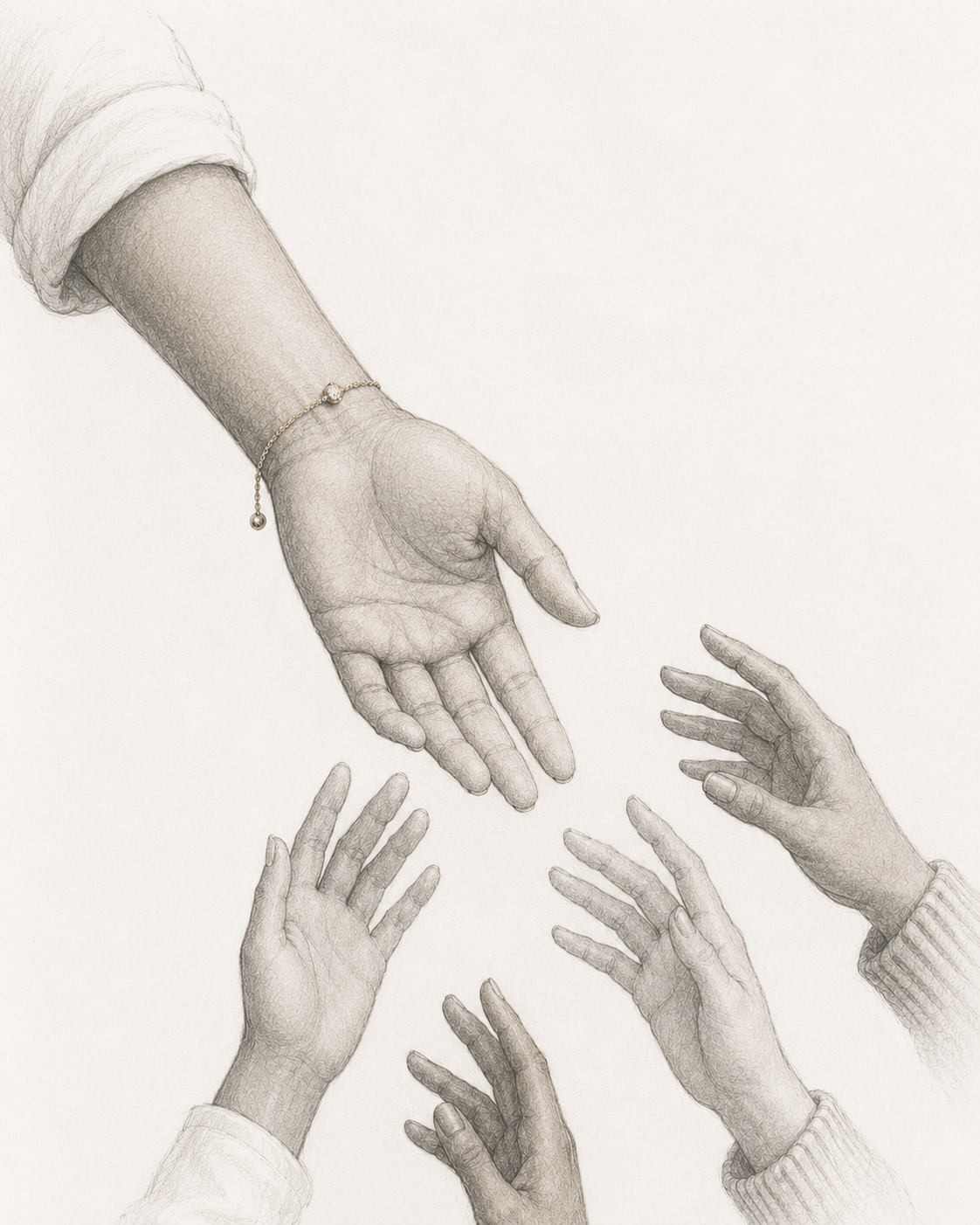
One thing I struggle to understand is watching someone endure the same hardships you once survived and choosing not to offer even a word of guidance.
Especially when it happens between generations of women.
Not every older woman is responsible for mentoring every younger woman. No one owes another person unlimited access, emotional labour, rescuing or self-sacrifice.
But there is a difference between having boundaries and becoming indifferent.
There is a difference between allowing someone to learn through her own experiences and knowingly watching her walk into avoidable harm without saying anything.
Sometimes the response is:
“I had to figure it out on my own, so she should too.”
But why should suffering have to repeat itself simply because it happened before?
Why should pain become a tradition?
If you survived experiences that cost you years, confidence, opportunities or peace, should the goal not be to pass down what you learned?
To say:
“I recognise this road.
I cannot walk it for you, but I can tell you where some of the landmines are.”
That is not rescuing.
That is care.
Wisdom is not only being able to say, “I’ve been there.”
Wisdom is being able to say:
“I’ve been there, and because I care about you, I do not want you to suffer unnecessarily when something I have learned might help you.”
Not because life should be easy.
Not because every struggle can or should be prevented.
Some lessons can only be learned through experience. Some decisions must be made for ourselves. And advice is not always accepted, even when it is offered with love.
But there is a difference between respecting someone’s autonomy and withholding support out of hardness.
There is a difference between saying, “She has to live her own life,” and secretly believing, “She should suffer because I suffered too.”
Pain does not become wisdom simply because we survived it.
Sometimes pain makes people more compassionate.
Sometimes it makes them protective.
And sometimes, when it has never been tended to, it becomes a reason to withhold from others what they once desperately needed themselves.
I do not say that with anger.
I genuinely hope those women heal.
Because the belief that another woman must struggle alone simply because you did often comes from a place that was never cared for.
Perhaps no one guided you.
Perhaps no one protected you.
Perhaps you had to become your own mentor, your own encouragement and your own safe place.
That was unfair.
But another woman’s struggle will not repair what happened to you.
Making the road harder for her will not make your own journey more just.
Healing gives us a different choice.
We can decide that what wounded us will not be what we pass down.
We can turn survival into guidance.
Experience into wisdom.
Pain into protection.
To younger women: do not expect every older woman to have your back.
Some will see your potential and feel threatened by it.
Some will project their pain onto you.
Some will remain silent when they could have spoken.
But some will reach for you.
They will share what they learned without trying to control your life.
They will warn you without frightening you.
They will correct you without humiliating you.
They will celebrate your growth without making it a competition.
They will not need you to suffer in order to prove that you deserve what they know.
Treasure those women.
Listen to them.
Honour them.
And remember what their care felt like.
Because one day, another woman may be standing where you once stood.
You will not be required to save her.
You will not have to carry her.
But you may have something that could make her path a little safer, a little clearer or a little less lonely.
When that moment comes, do not become so attached to your survival story that you make unnecessary suffering a rite of passage.
Be the woman who says:
“I know this road.
Take what I learned with you.”
Care enough to reach back.
