
Care without carrying
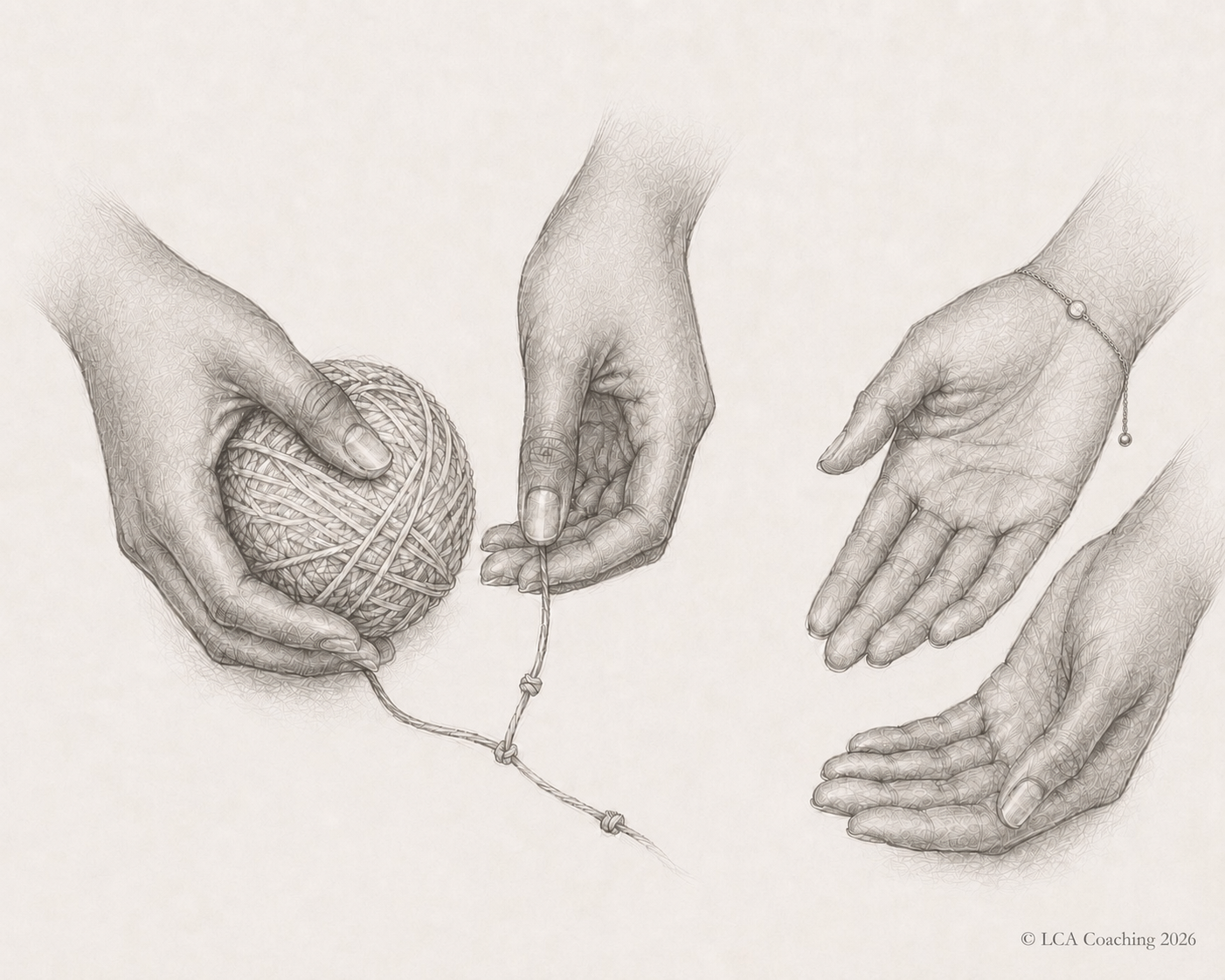
At LCA, we believe that healthy support looks like walking beside someone with care, without taking over the inner work that is theirs to do.
We can create a safe space.
We can listen.
We can witness what someone is carrying without turning away.
We can gently explore what lies beneath.
We can ask questions that make room for reflection.
We can offer insight, guidance and practical tools.
And through it all, the journey can remain in their hands.
Because walking beside someone is not the same as walking in their place.
Sometimes, our desire to help can quietly become pressure.
We may find ourselves reaching for an answer before the other person is ready to discover their own.
We may begin carrying responsibility for their healing, their choices or their next step.
We may hold their pain so closely that the line between caring and carrying begins to fade.
Not because we want to take away their voice, but because it can be difficult to witness someone we care about struggle.
Healthy support invites us to remain present while honouring the voice, pace and choices of the person beside us.
Their inner work can remain in their hands, without leaving them to face it alone.
We can witness without absorbing.
We can explore without taking over.
We can offer without pressuring.
We can care without carrying.
Sometimes, support looks like staying close.
Sometimes, it looks like making room.
And sometimes, it looks like trusting that the person beside us has a voice, a pace and a path of their own.
One of the most loving things we can say is:
“I am here. I will listen, witness and explore with you. I will walk beside you with care, while honouring the journey that remains yours to walk.”
When others don’t show up, stay present and meet yourself with care.
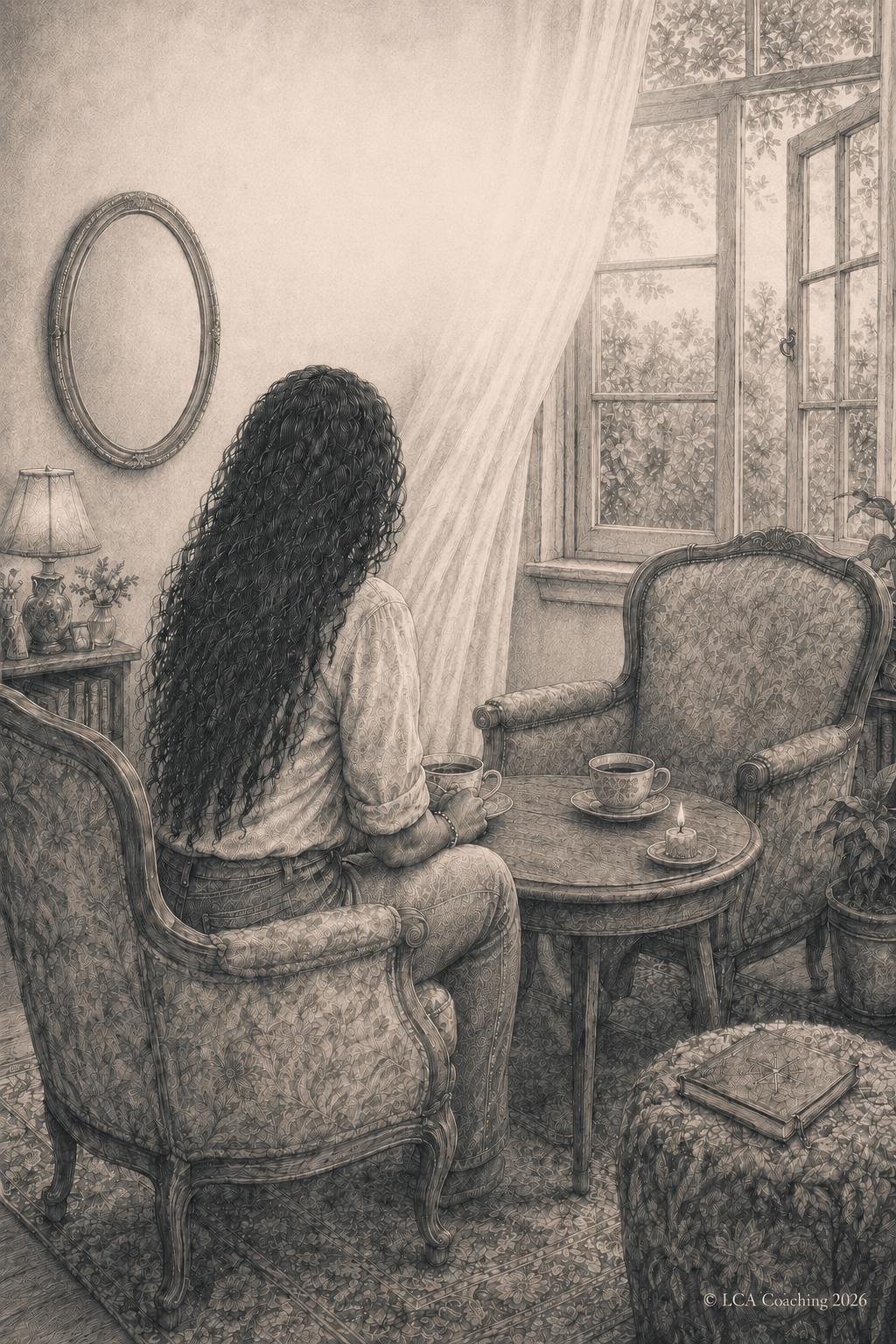
We cannot always choose how others show up for us.
There will be moments when someone cannot give us the care that we need.
When a parent cannot meet a need.
When someone we love does not understand what we are trying to say.
When a community does not make room for what we carry.
When a place or system does not protect us in the way that we need.
And those moments can hurt deeply.
Especially when the care, understanding or protection we are looking for matters deeply to us.
But sometimes, without realizing it, we respond to that hurt by moving away from ourselves.
We silence what we feel to preserve the peace.
We question our own experience because someone else does not see it.
We explain ourselves until we are exhausted, hoping to finally be understood.
We make ourselves smaller to preserve belonging.
We stay quiet when something within us is asking to be heard.
Not because we do not love or value ourselves.
Sometimes we learned that staying connected to others required us to disconnect from parts of ourselves.
But self-respect can invite us into something different.
To stay.
To stay present with what we feel.
To take our own experience seriously.
To listen when something within us says, this hurts, I need something, or this does not feel right.
To honor our needs even when someone else cannot meet them.
To let our boundaries matter even when someone else does not understand them.
And to remember that when care cannot come from where we hoped it would, we are still allowed to reach for it elsewhere.
Self-love is not learning to need no one.
It is learning that someone else being unable to meet us does not require us to leave ourselves behind.
Sometimes self-respect is speaking up.
Sometimes it is setting a boundary.
Sometimes it is asking for support.
Sometimes it is choosing not to explain ourselves any further.
And sometimes it is lovingly recognizing that we cannot keep asking ourselves to become smaller in order to remain somewhere.
We cannot always choose how others show up for us.
But we can learn to stay present.
To stand beside ourselves.
And to meet ourselves with care.
A question to reflect on:
When someone cannot meet me in the way I need, how can I stay connected to myself?
What do you choose when life gets hard?
What do you choose when life gets hard?
What do you choose when you are hurt?
Not when life is easy.
Not when you are getting your way.
Not when you feel loved, understood and appreciated.
What do you choose under pressure?
I have come to believe that conflict reveals character more clearly than comfort ever will.
Pain can explain a reaction.
It does not automatically excuse it.
When you are hurt, do you become cruel?
Do you become reckless with other people’s trust?
Do you punish?
Do you retaliate?
Do you try to make someone else feel the pain you are feeling?
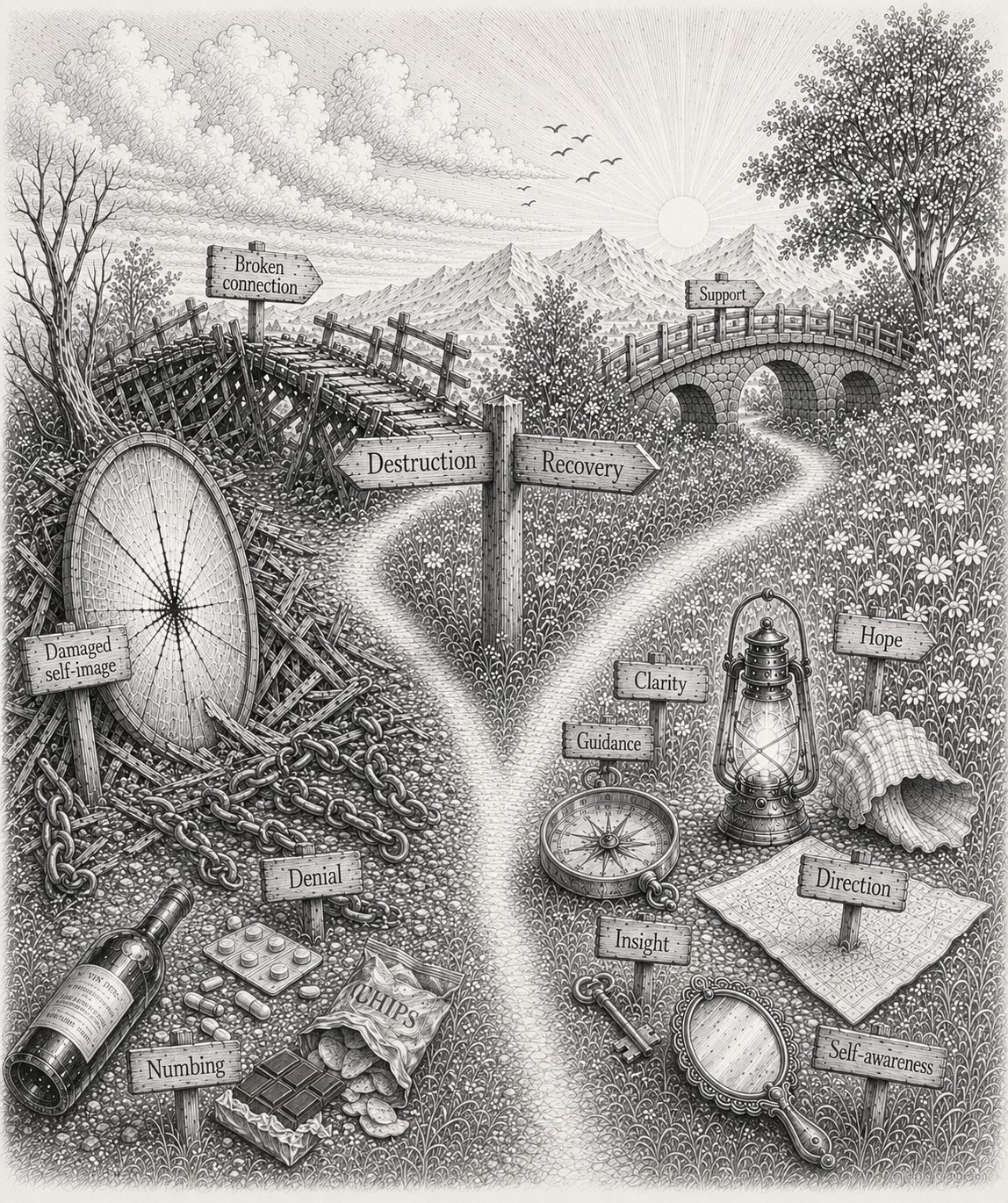
Do you become destructive?
Or do you remain accountable for how you treat others, even when you are angry, disappointed or wounded?
We all cope with pain differently.
Some people become reflective.
Some become direct.
Some withdraw to regulate themselves.
Some seek support.
Some allow pain to deepen their self-awareness.
And some become destructive.
They say things they cannot take back.
They burn bridges.
They expose confidences.
They weaponize vulnerability.
They retaliate.
They try to wound.
They create collateral damage.
Then, once the storm has passed, they apologize and expect the apology to erase what happened.
But apologies do not reverse consequences.
An apology can acknowledge harm.
It can demonstrate remorse.
It can create an opportunity for accountability and repair.
But it cannot undo what has already been done.
It cannot make exposed information private again.
It cannot immediately restore broken trust.
It cannot erase the moment someone realized that, when you were hurt, their safety became negotiable.
Repair requires more than regret.
It requires honesty.
Accountability.
Changed behaviour.
Respect for the other person’s boundaries.
And an acceptance that forgiveness does not always lead to reconciliation.
The older I get, the less interested I am in what connects people on paper and the more interested I am in what sustains relationships in practice.
Shared history is not the same as shared values.
Blood relation is not trust.
Love is not automatically respect.
And access is not entitlement.
A relationship can contain love and still be unsafe.
Two people can share years of memories and still discover that they do not share the same understanding of loyalty, accountability or care.
Not every damaged relationship should be repaired.
Some relationships suffer from misunderstanding and deserve an honest conversation.
Some suffer from incompatibility and deserve acceptance.
Some can be repaired, but only when both people are willing to take responsibility for their part.
And some reveal truths that cannot be unseen.
There are moments when conflict does not merely expose a problem within the relationship. It reveals something fundamental about how a person responds when they feel powerless, rejected, challenged or hurt.
That does not mean people are incapable of growth.
People can learn healthier ways to cope.
They can become more self-aware.
They can take responsibility.
They can repair patterns that once caused harm.
But growth cannot be built on denial.
You cannot change what you refuse to acknowledge.
And no one is required to remain close enough to witness your transformation.
Sometimes the most honest response to a damaged relationship is repair.
Sometimes it is distance.
Sometimes it is grief.
And sometimes it is accepting that love alone is not enough to make a relationship safe, respectful or sustainable.
So when life gets hard, pause before you act.
Ask yourself:
Am I trying to communicate, or am I trying to punish?
Am I protecting myself, or am I deliberately trying to cause pain?
Am I responding from my values, or reacting from my wounds?
Will I still be able to stand behind this choice once the intensity has passed?
Because pain may not always be a choice.
But what you do with it matters.
The question is not whether you will ever feel hurt, angry, betrayed or disappointed.
You will.
The question is:
What do you choose when life gets hard?
And what do those choices reveal about the person you are becoming?
Care Enough to Reach Back
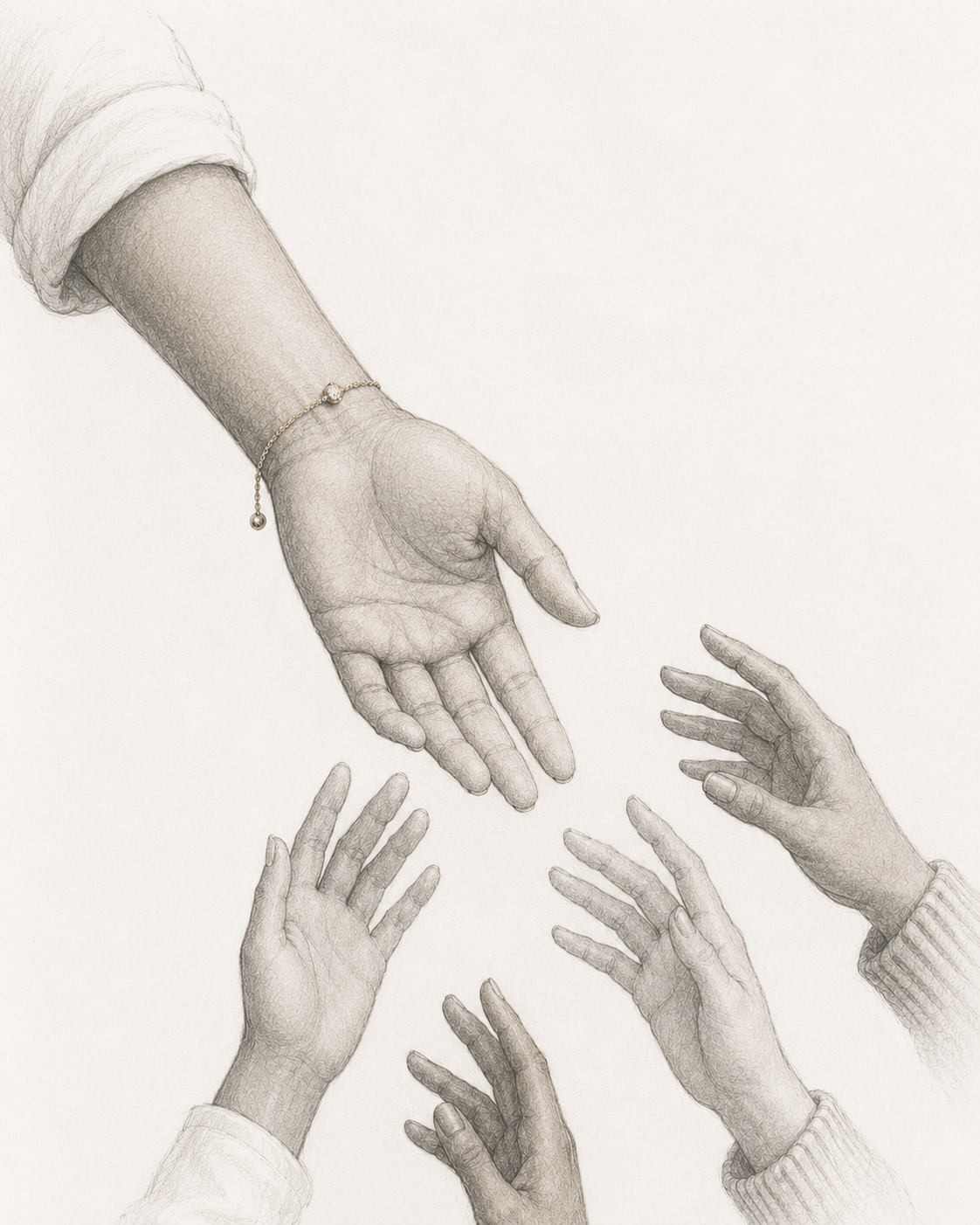
One thing I struggle to understand is watching someone endure the same hardships you once survived and choosing not to offer even a word of guidance.
Especially when it happens between generations of women.
Not every older woman is responsible for mentoring every younger woman. No one owes another person unlimited access, emotional labour, rescuing or self-sacrifice.
But there is a difference between having boundaries and becoming indifferent.
There is a difference between allowing someone to learn through her own experiences and knowingly watching her walk into avoidable harm without saying anything.
Sometimes the response is:
“I had to figure it out on my own, so she should too.”
But why should suffering have to repeat itself simply because it happened before?
Why should pain become a tradition?
If you survived experiences that cost you years, confidence, opportunities or peace, should the goal not be to pass down what you learned?
To say:
“I recognise this road.
I cannot walk it for you, but I can tell you where some of the landmines are.”
That is not rescuing.
That is care.
Wisdom is not only being able to say, “I’ve been there.”
Wisdom is being able to say:
“I’ve been there, and because I care about you, I do not want you to suffer unnecessarily when something I have learned might help you.”
Not because life should be easy.
Not because every struggle can or should be prevented.
Some lessons can only be learned through experience. Some decisions must be made for ourselves. And advice is not always accepted, even when it is offered with love.
But there is a difference between respecting someone’s autonomy and withholding support out of hardness.
There is a difference between saying, “She has to live her own life,” and secretly believing, “She should suffer because I suffered too.”
Pain does not become wisdom simply because we survived it.
Sometimes pain makes people more compassionate.
Sometimes it makes them protective.
And sometimes, when it has never been tended to, it becomes a reason to withhold from others what they once desperately needed themselves.
I do not say that with anger.
I genuinely hope those women heal.
Because the belief that another woman must struggle alone simply because you did often comes from a place that was never cared for.
Perhaps no one guided you.
Perhaps no one protected you.
Perhaps you had to become your own mentor, your own encouragement and your own safe place.
That was unfair.
But another woman’s struggle will not repair what happened to you.
Making the road harder for her will not make your own journey more just.
Healing gives us a different choice.
We can decide that what wounded us will not be what we pass down.
We can turn survival into guidance.
Experience into wisdom.
Pain into protection.
To younger women: do not expect every older woman to have your back.
Some will see your potential and feel threatened by it.
Some will project their pain onto you.
Some will remain silent when they could have spoken.
But some will reach for you.
They will share what they learned without trying to control your life.
They will warn you without frightening you.
They will correct you without humiliating you.
They will celebrate your growth without making it a competition.
They will not need you to suffer in order to prove that you deserve what they know.
Treasure those women.
Listen to them.
Honour them.
And remember what their care felt like.
Because one day, another woman may be standing where you once stood.
You will not be required to save her.
You will not have to carry her.
But you may have something that could make her path a little safer, a little clearer or a little less lonely.
When that moment comes, do not become so attached to your survival story that you make unnecessary suffering a rite of passage.
Be the woman who says:
“I know this road.
Take what I learned with you.”
Care enough to reach back.
How do you know when a coach, therapist, mentor, church, community, support group, or program is right for you?
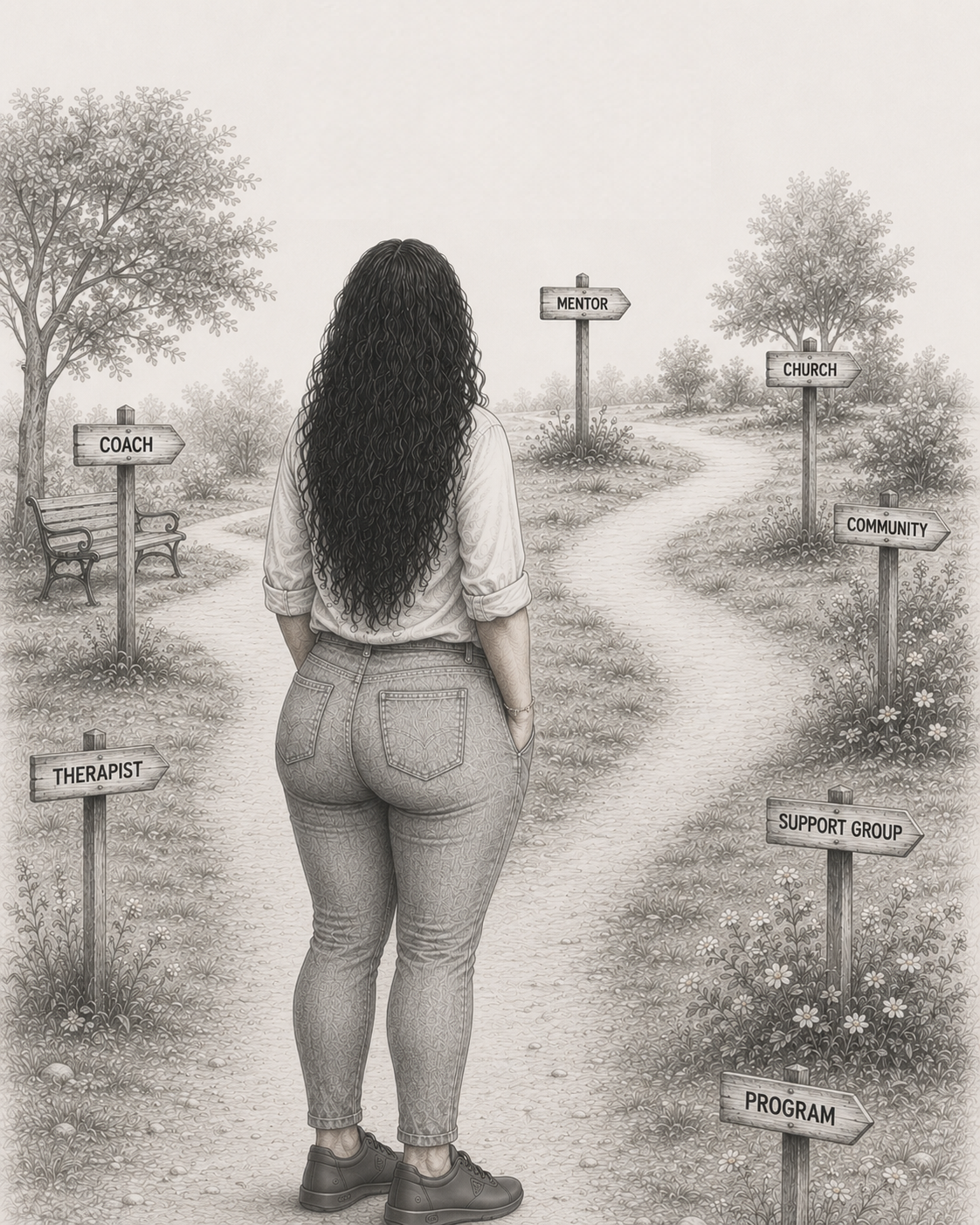
How do you know when a coach, therapist, mentor, church, community, support group or program is right for you?
Over the past few years, I have worked with different coaches, mentors and support professionals.
Some inspired me.
Some challenged me.
Some gave me valuable insight.
Some walked with me through difficult seasons.
And some helped me understand what I do and do not need from the people and spaces I turn to for support.
What I have learned is that finding the right support is not only about qualifications, expertise, reputation or success.
Those things matter.
But so does fit.
So do values.
Pace.
Worldview.
Boundaries.
Emotional safety.
And whether there is enough room for you to remain yourself.
I have learned that I can genuinely admire someone and still recognise that their approach is not right for me.
I can respect someone’s work and still feel overwhelmed by their pace.
I can appreciate someone’s wisdom and still disagree with their assumptions about people, success, faith, healing or what a meaningful life should look like.
I can acknowledge that something has helped many others and still decide that it is not what I need.
That does not make the person ineffective.
And it does not make me resistant, difficult or ungrateful.
It may simply mean that the fit is not right.
The right support should not require you to abandon your own discernment in order to receive it.
It should not make you feel that asking questions is disloyal.
It should not pressure you to move faster than you are able to move.
It should not turn one person’s experience, belief system or method into the only acceptable path.
Healthy support does not ask you to disappear.
It creates enough safety for you to become more honest about who you are.
That does not mean you will always feel comfortable.
Good support may challenge you.
It may confront patterns you would rather avoid.
It may invite you to take responsibility, make difficult decisions or sit with truths that are painful to acknowledge.
But there is a difference between being challenged and being diminished.
Between discomfort that supports growth and discomfort that repeatedly violates your boundaries.
Between someone guiding you and someone trying to control you.
Between accountability and shame.
Between encouragement and pressure.
One of the most important lessons I have learned is that a healthy support relationship is not built on one person having all the answers.
It is built on trust.
On honesty.
On consistency.
On feeling seen without being reduced to someone else’s interpretation of you.
On feeling safe enough to tell the truth, disagree, ask questions and change your mind.
It is built on knowing that the other person is willing to say:
“This is where I can help.”
And, just as importantly:
“This is where my knowledge, role or expertise ends.”
There is safety in being supported by someone who knows their limitations.
Someone who does not pretend that confidence is the same as competence.
Someone who does not use charisma to cover a lack of care, accountability or appropriate boundaries.
Someone who is willing to refer you elsewhere when your needs fall outside what they can responsibly offer.
Looking back, the person who helped me most during one of the hardest periods of my life was not the one with the biggest platform, the most followers or the most impressive personal brand.
She was someone who showed up consistently.
Someone who listened.
Someone who acknowledged what I was going through without trying to force meaning onto it.
Someone who offered support without pretending to have all the answers.
She did not make herself the centre of my healing.
She did not need to be the hero of my story.
She simply made it easier for me to hear myself again.
The older I get, the more I value that.
Not perfection.
Not performance.
Not charisma.
But presence.
Integrity.
Humility.
Consistency.
And the freedom to remain connected to my own voice.
The right support will not always tell you what you want to hear.
But it should help you become clearer, not more confused.
More grounded, not increasingly dependent.
More able to trust yourself, not less.
More honest, not more afraid.
Sometimes the greatest gift another human being can offer is not a solution.
It is a safe place to land while you find your own way.
So perhaps the question is not only:
“Is this person knowledgeable?”
But also:
“Can I be honest here?”
“Can I ask questions here?”
“Can I disagree without being punished?”
“Are my boundaries respected?”
“Does this support help me become more grounded in myself?”
“And does this person know when they are no longer the right person to help me?”
Because the right support should not take you further away from yourself.
It should help you return to yourself with greater clarity, courage and care.
Have you ever been supported by someone who taught you something important, not because they were perfect, but because their presence gave you what you needed in that season?